Business income coverage for seasonal shops in the Old Port
If your business earns most of its money between June and September, a loss in July costs far more than a loss in February. Your coverage should reflect that.
By Robert Lachance, Commercial lines agent

A burst pipe in February is an inconvenience for an Old Port gift shop. The same pipe bursting on the Fourth of July can wipe out a quarter of the year's profit. Most business owners buy property coverage for their building and inventory, but the coverage that keeps a business alive after a loss is business income, and for seasonal businesses it is often set too low.
What business income coverage does
Business income coverage, sometimes called business interruption, replaces the net income you would have earned and pays continuing expenses while your business is closed because of a covered physical loss, such as a fire, a burst pipe or a fallen tree. Continuing expenses include rent, loan payments, utilities and often payroll for key employees.
It is included in most business owners policies, but the limit and the way it is measured matter a great deal.
Why seasonal businesses need a closer look
Many policies express business income as a dollar limit or as a number of months, such as twelve months of actual loss sustained. Both can work, but a dollar limit calculated from average monthly revenue will fall short for a business that earns most of its income in summer.
- A restaurant that earns 40 percent of its annual revenue in July and August
- A kayak outfitter that operates only from May through October
- A gift shop that depends on cruise ship days and holiday weekends
- A bakery that supplies summer weddings and farmers markets
For these businesses, we calculate the limit from peak season revenue, not the annual average.
The question to ask is simple: if we closed for three months starting on the worst possible day, how much would we lose?
Extra expense coverage
Extra expense pays the added costs of staying open or reopening faster, such as renting a temporary kitchen, paying overtime to contractors or leasing equipment. For a seasonal business, reopening two weeks sooner in August may be worth more than the extra expense itself.
Waiting periods and the restoration period
Most business income coverage starts after a waiting period, often 72 hours. The restoration period is how long coverage lasts while repairs are made. Contractors in Maine are busy, and permits in historic districts take time. A six-month restoration period can end before a waterfront building in the Old Port is ready to reopen.
Coverage that is often missing
Utility service interruption
If a transformer fire three blocks away cuts your power for four days in July, standard business income coverage may not respond because the damage is not at your premises. Utility service interruption coverage can fill that gap.
Spoilage
Restaurants and bakeries should carry spoilage coverage for food lost when refrigeration fails.
Civil authority
If officials close your street after a fire next door, civil authority coverage may pay for lost income even though your building is undamaged.
Flood
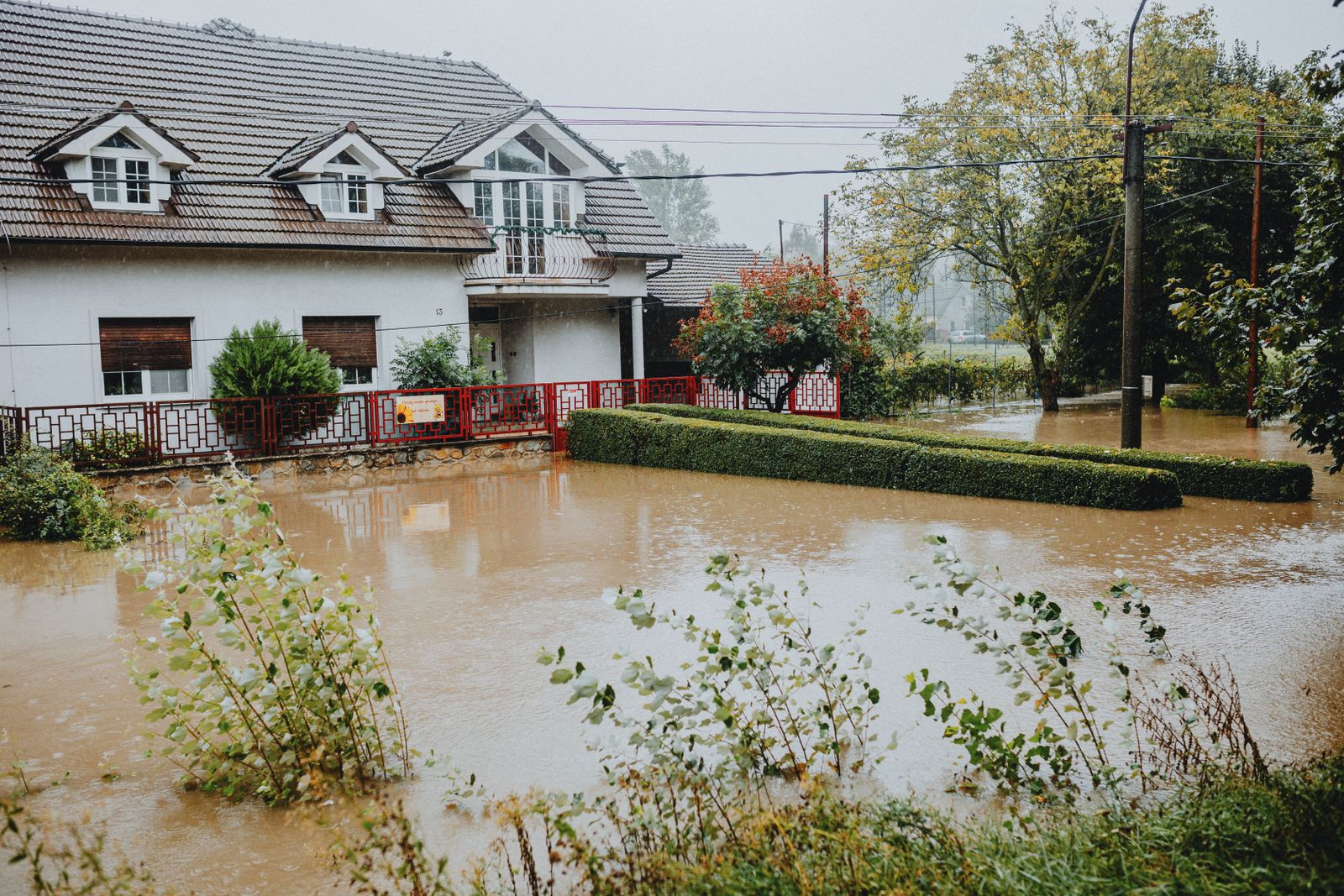
Business income coverage only applies to covered causes of loss. Flood damage is excluded unless you have separate commercial flood coverage, which is worth reviewing for waterfront locations.
How to set the right limit
Gather your last two years of profit and loss statements and a month-by-month revenue report. We use them to build a business income worksheet that shows your projected income during your busiest months and your fixed expenses year-round. From there we recommend a limit and restoration period that match how your business actually earns money.
Review before the season starts
The best time to adjust business income coverage is in the spring, before the busy season begins. If you run a seasonal business in Portland or anywhere along the coast, send us your financials and we will review your coverage at no cost. It is a short conversation that can decide whether a bad July becomes a bad year.